
Glass containers, such as glass bottle packaging and glass jars, are a popular choice for pharmacy packaging and pharmaceutical packaging, as they are sustainable to produce, widely recyclable, non-porous, and completely impermeable. This means the containers are always well protected from oxygen, moisture, and anything else in the surrounding atmosphere – so there’s no risk of products becoming contaminated.
Here, Origin explores the advantages and disadvantages of glass containers in the pharmacy and pharmaceutical sectors and what makes them an effective choice for containing a variety of products.
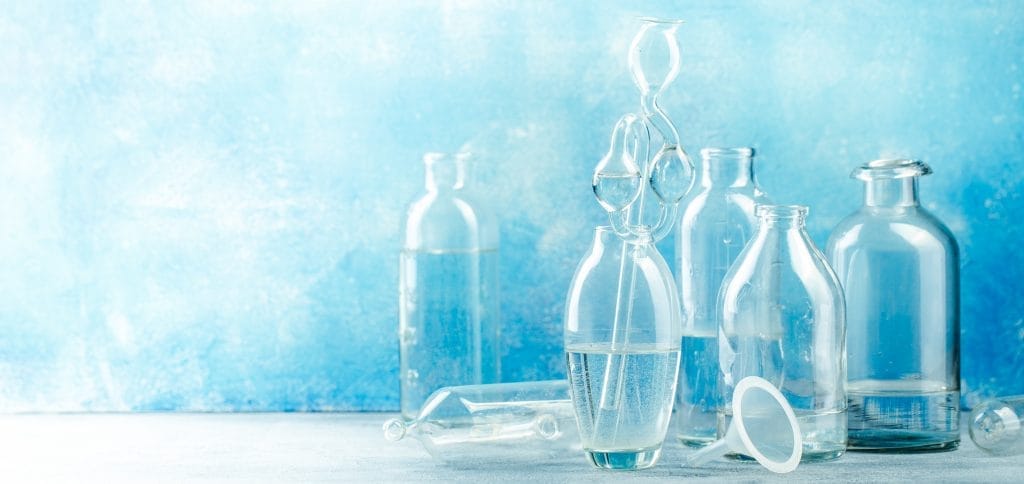
Glass Containers in Pharmacy and Pharmaceuticals
Choice of materials is critical in the pharmacy and pharmaceutical industries, due to the strict regulatory and compliance demands on products and, of course, patient safety dictating product design.
Glass containers prove a compliant yet appealing solution for delivering a range of pharma products, as well as being suitable for use as cosmetic packaging, including creams, ointments, powders, and tablets.
Not only does glass prove to be a chemical-resistant and leak-proof material for the safe and compliant delivery of medicines, but a glass finish also provides a luxury finish for products on store shelves. They are also versatile and come in various shapes and sizes to deliver a range of products.
Types of Pharmaceutical Glass Containers
There is a range of glass containers commonly used in the pharmaceutical industry, each with unique shapes and designs to suit their contents and functions.
Some of the common types of glass containers used for pharmacy and pharmaceutical use include:
- Glass bottles
- Glass vials
- Ampoules
- Glass dropper bottles
- Tablet and capsule jars
- Glass sirop bottles
- Balm jars
- Ointment jars
- Powder jars
- Sample vials
The Advantages of Glass Containers in Pharmacy
Glass containers prove popular for pharmacy and pharmaceutical applications, meeting strict industry demands without compromising on style or aesthetic appeal. Here, we break down the key qualities driving demand for glass containers:
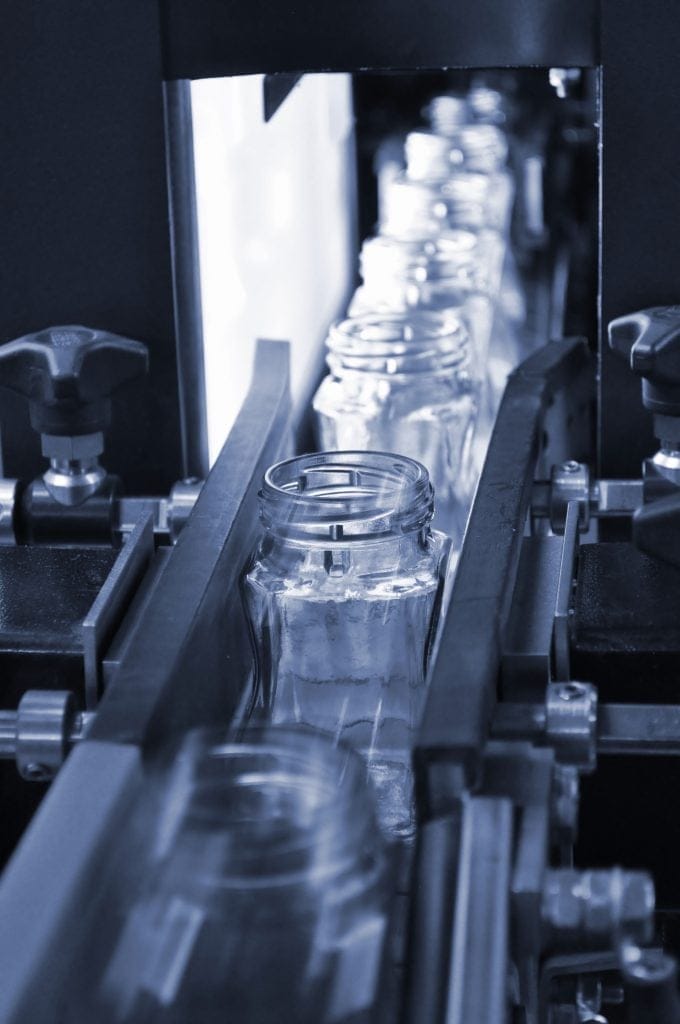
Environmentally Friendly
Glass containers are an environmentally friendly choice when it comes to pharmaceutical packaging. Not only can glass containers be sterilised for reuse, but glass is also widely recycled to avoid waste for sustainable pharmaceutical packaging.
Compliant
Many glass containers comply with the strict regulations placed on pharmaceutical packaging – for example, Drug Master Files of the US Food and Drug Administration regulations, the British Standard BS1679 required for containers for pharmaceutical dispensing and the US and EU light transmission requirements.
Leakproof
Unlike some alternative packaging materials – such as some types of plastic – glass is completely leakproof. This provides peace of mind that potentially harmful substances won’t permeate the packaging and keeps products safe from contamination.
Temperature- and Chemical-Resistant
Glass containers can not only withstand high temperatures but are also non-reactive to chemicals. This makes them the perfect choice for use with a range of medicines and pharmaceutical products – maintaining structural integrity regardless of contents and delivering medicines exactly as intended.
Plus, as the containers can withstand high temperatures, it means they can be easily sterilised – a critical quality in pharma, killing harmful germs and bacteria.
Variety in Colour
Glass containers are often available in a range of colours – including the options of clear glass bottles and jars, amber glass bottles and amber glass jars, and green and blue glass containers – each with a unique appeal. Amber glass is designed to protect products from harmful UV light, while blue and green glass provide eye-catching aesthetic appeal, and clear glass allows consumers to see the product through the packaging on store shelves.
The Disadvantages of Glass Containers in Pharmacy
Though glass containers are highly suitable for a range of purposes, they do have some qualities that may not make them ideal for your application specifically, or that may require accounting for. These are as follows:
More Fragile Than Other Materials
Glass is more delicate than plastic, so it needs careful handling and additional cushioning during transport and storage. However, this is considered worthwhile by many businesses for the clarity and quality that it provides.
Added Weight
Glass weighs more than plastic, which can have an effect on shipping costs. Though the added weight gives glass its sturdy, high-quality feel, making it ideal for products that are designed to look and feel premium.
Compatibility Considerations
Most medicines work well with glass as a result of its inert nature, though certain formulations may need alternative materials. As such, you may instead require a certain grade of glass or a plastic packaging solution to appropriately house your product.
A Range of Glass Containers at Origin
As expert glass container manufacturers, Origin provides a wide range of products for a variety of applications. And with over 60 years’ experience, Origin provides peace of mind that products meet compliance regulations and are delivered to end users safely.
Browse our range of glass containers, including our glass bottle packaging and glass jars, to find many practical and high-quality options. Alternatively, you can contact our team to find out how we can partner with you to develop bespoke glass containers for your pharmaceutical products.