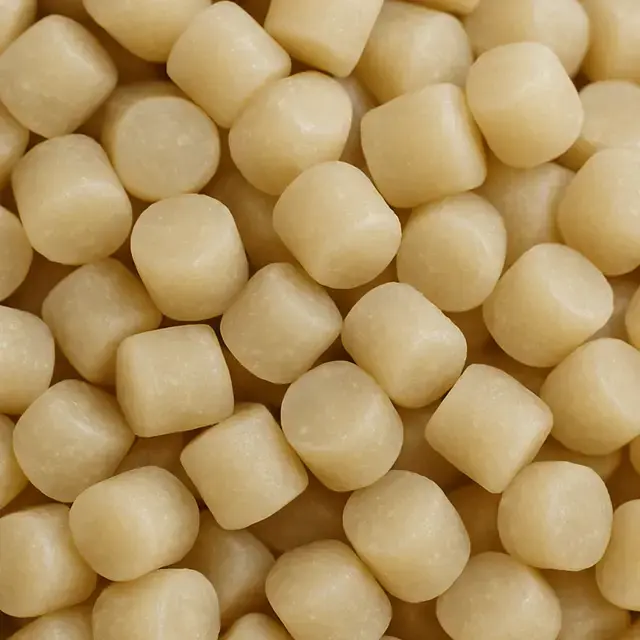
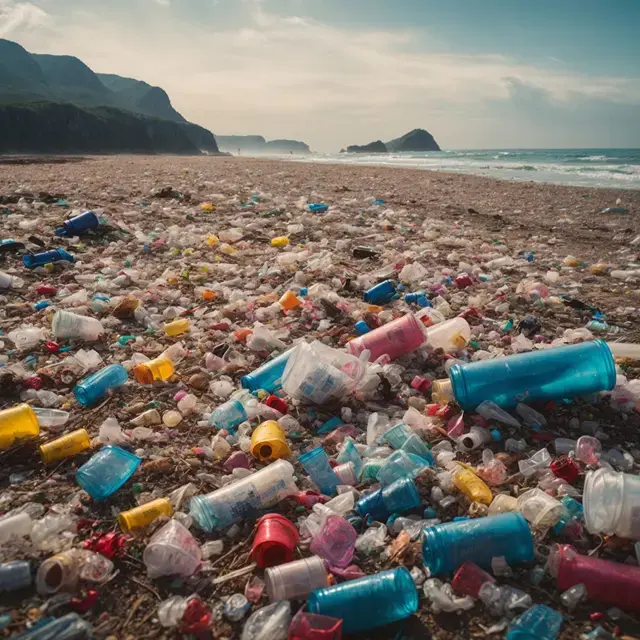
As the amount of plastic packaging pollution continues to increase, it’s more important than ever that sustainable packaging options are developed to protect the planet’s future. Resultantly, there are many new environmentally friendly packaging materials being developed, with one of the most promising being bioresin. But what is bioresin, what benefits does it present, and…
Tackling Plastic in the Ocean: Origin’s Ocean Polymers
The large scale of waste pollution in the ocean is a leading concern for many across the globe. As this continues to increase and becomes a pressing issue, there is a need for more sustainable packaging options that help to prevent plastic pollution and present a long-term solution for the planet’s future. As part of…
How Refillable Cosmetic Packaging Is Reshaping Brand Strategies
Refillable packaging within the cosmetic industry was once a niche idea, but it is now gaining traction as a popular movement that many businesses are adopting. Offering a more sustainable alternative to single-use packaging, refillable packaging is becoming increasingly widespread and favoured by consumers and those in the industry. But what is refillable cosmetic packaging,…
What is EPR?: Extended Producer Responsibility for Packaging
Establishing a new way that businesses must account for their packaging use, EPR (or pEPR) will impact many groups and individuals. As a result, these changes will impact how we at Origin operate, as well as similar packaging production companies, our customers and end users, concerning the recyclability of packaging. To inform you of what…
The 7 Types of Plastic
Plastic is an integral material in the pharmaceutical industry, providing safe, durable, and cost-effective packaging solutions. From plastic bottle packaging to flexible films, understanding the types of plastic used in pharmaceutical packaging is crucial for brands and manufacturers seeking the best solutions for their products. At Origin, we offer a variety of plastics, each designed…
Is PET Plastic Recyclable?
PET plastic is one of the most common types of plastic used due to its many beneficial properties. Typically used for the manufacture of plastic bottle packaging, it is found across many different industries with it being both a durable and lightweight material. With sustainability now a priority for many businesses, it’s important to consider…
How to Dispose of Medications Safely
Disposing of old or unused medications may seem like a simple task, but it is essential to handle it responsibly so that you can protect the environment, avoid health risks, and comply with UK regulations. But what does this actually involve for you? Well, incorrect disposal methods, such as flushing medicines down the toilet or…
Amber vs. Clear Glass Bottles: Which Is Best?
In the pharmaceutical industry, packaging is more than just a container; it is an essential part of ensuring product safety, efficacy, and shelf life. And in pharmacy, having those qualities can really be a matter of life or death. Among the wide variety of packaging options available, amber and clear glass bottles often stand out…
Keeping Children Safe with Child-Resistant Cannabis Packaging
As medicinal cannabis becomes increasingly accessible in the UK, ensuring its safe storage is paramount. For families, particularly those with young children, the need for secure and effective child-resistant cannabis packaging can’t and shouldn’t be underestimated. Accidental ingestion of cannabis products can pose significant risks, and robust packaging solutions serve as the first line of…
How Are Glass Vials Made?
Glass vials are an essential component in many industries for use as pharmaceutical packaging, lifestyle product packaging, and more. Known for their durability and ability to preserve sensitive contents, glass vials play an important role in maintaining the quality and safety of products. But have you ever wondered, “how are glass vials made?” In this…